Pets have become cherished members of our families, and just like humans, they deserve the occasional treat. Pet treats are not merely indulgences — they play an important role in training, bonding, oral health, and even nutrition.
With the booming global pet market, the selection of dog treats and cat treats has exploded in recent years. From crunchy biscuits to soft jerky bites, freeze-dried meats, and functional treats for joint or dental care, there’s something for every furry companion.
This guide explores the most common types of pet treats available today, their benefits, and things to consider before choosing the right one for your cat or dog.
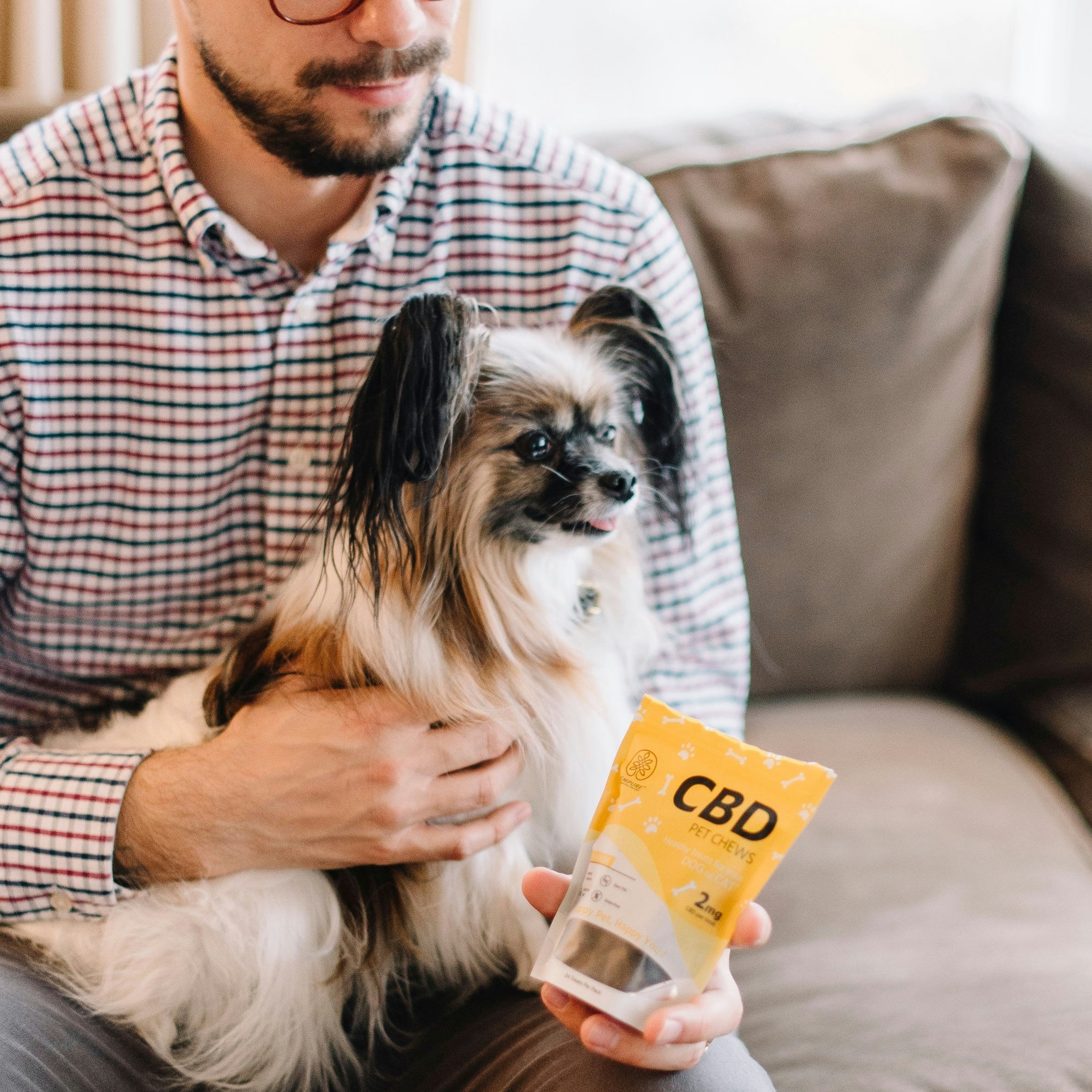
1. Crunchy Treats — The Classic Choice
Crunchy treats, often known as biscuits or kibble-style snacks, are among the oldest and most widely available forms of pet treats.
For Dogs:
Crunchy dog biscuits are ideal for maintaining oral health. The hard texture helps remove tartar buildup as dogs chew. These biscuits come in various shapes, sizes, and flavors such as chicken, beef, or peanut butter.
For Cats:
Cats enjoy smaller, bite-sized crunchy treats that satisfy their instinct to chew while keeping teeth clean. Some are even fortified with taurine or omega-3 for extra health benefits.
Advantages:
Helps clean teeth and freshen breath.
Easy to store with a long shelf life.
Often fortified with vitamins and minerals.
Affordable and widely available.
Disadvantages:
May contain fillers or grains that sensitive pets can’t tolerate.
Hard texture might not suit senior pets or those with dental issues.
Crunchy treats are perfect for everyday rewarding and dental support, but make sure to check the ingredient list for artificial additives or excessive carbohydrates.
2. Soft and Chewy Treats — Ideal for Training and Rewards
Soft treats are loved by both pets and owners for their taste, texture, and versatility. These soft dog treats and chewy cat snacks are usually moist and highly aromatic, making them excellent for training sessions.
Advantages:
Easy to chew and swallow, suitable for puppies, kittens, or older pets.
High aroma attracts even picky eaters.
It can be easily broken into smaller pieces for portion control.
Perfect for obedience and reward-based training.
Disadvantages:
Shorter shelf life than crunchy treats.
Some brands may use preservatives to maintain softness.
Popular flavors include chicken liver, salmon, tuna, and lamb. Choose natural soft treats made with real meat or fish to provide protein-rich nutrition without unnecessary additives.
3. Freeze-Dried and Dehydrated Treats — Pure and Nutrient-Dense
Freeze-dried pet treats are becoming increasingly popular among pet owners who prioritize high-quality, minimally processed snacks. These treats are made by removing moisture through freezing and dehydration while preserving most nutrients.
For Dogs and Cats:
Freeze-dried chicken breast, salmon, duck liver, and beef heart are common choices. They are single-ingredient, protein-packed, and free of artificial additives — ideal for pets with food sensitivities.
Advantages:
Retains nutrients, flavor, and aroma from raw ingredients.
High in protein and low in fat.
Suitable for pets on raw or grain-free diets.
Long shelf life without artificial preservatives.
Disadvantages:
More expensive than other treat types.
It can crumble easily during handling.
Freeze-dried and dehydrated treats are excellent for health-conscious owners who want to offer natural, high-protein pet treats made from whole ingredients.
4. Dental Treats and Chews — For Oral Health and Fresh Breath
Dental hygiene is often overlooked in pet care, but dental treats and chews can play an essential role in keeping teeth and gums healthy.
For Dogs:
Dental chews come in stick or bone shapes designed to reduce plaque buildup through mechanical abrasion. Many include ingredients like mint or parsley for fresh breath.
For Cats:
Dental cat treats are smaller and formulated to prevent tartar formation. Some contain enzymes that help break down plaque naturally.
Advantages:
Promotes oral hygiene and fresh breath.
Keeps pets occupied while cleaning teeth.
Reduces the need for frequent dental procedures.
Disadvantages:
Should not replace regular brushing.
Some chews are high in calories or starch.
For best results, choose vet-approved dental chews with limited ingredients and avoid those containing sugar or synthetic coloring.
5. Jerky Treats — High in Protein and Flavor
Jerky treats have long been a favorite among pet owners, especially those with active dogs or cats that love meat-based snacks.
Made from chicken, duck, beef, lamb, or fish, these treats are often air-dried to retain flavor and texture.
Advantages:
High protein content supports muscle development.
Natural, meaty taste dogs and cats love.
Great for training or rewarding after exercise.
Low moisture means long shelf life.
Disadvantages:
Some imported or low-quality jerky may contain harmful additives.
Tough texture may not suit older pets.
Seek natural jerky treats with no added salt or sugar. High-quality brands use human-grade meats for safety and nutrition.
6. Functional Treats — Nutrition Meets Purpose
Modern pet owners are increasingly seeking treats that do more than just taste good. Functional treats combine delicious flavors with health-supporting ingredients.
Common Functional Categories:
Joint and mobility treats: Contain glucosamine and chondroitin to support joint health.
Skin and coat treats: Enriched with omega-3 fatty acids, salmon oil, or flaxseed.
Digestive treats: Include probiotics or fiber for gut health.
Calming treats: Infused with natural ingredients like chamomile or CBD (where legal).
Advantages:
Dual purpose — tasty and health-boosting.
Great for pets with specific needs (e.g., arthritis, anxiety).
Available in both chewy and crunchy forms.
Disadvantages:
Slightly pricier than regular treats.
Some benefits depend on consistent long-term use.
Functional treats make it easier to support your pet’s well-being while keeping them happy.
7. Natural and Organic Treats — Clean Ingredients for Conscious Owners
As people become more aware of what goes into their own food, many are extending that care to their pets. Natural pet treats and organic dog snacks are made with clean, simple ingredients, free of artificial additives.
Characteristics:
Made from whole foods like meat, fish, fruits, and vegetables.
Free from artificial colors, preservatives, or fillers.
Certified organic ingredients in premium brands.
Advantages:
Healthier and safer for sensitive pets.
Environmentally friendly production.
Often richer in flavor due to natural ingredients.
Disadvantages:
Higher cost compared to mass-market treats.
May have a shorter shelf life without preservatives.
Organic and natural treats are an excellent choice for pets with allergies or owners who value sustainability and transparency.
8. Grain-Free and Hypoallergenic Treats — For Sensitive Pets
Some pets suffer from allergies or sensitivities to grains like wheat, corn, or soy. Grain-free treats and hypoallergenic pet snacks are formulated with alternative ingredients such as sweet potato, lentils, or peas.
Advantages:
Ideal for pets with food allergies or sensitive stomachs.
Often higher in protein and lower in carbs.
Uses alternative flours like chickpea or tapioca.
Disadvantages:
Not necessary for all pets — consult your vet first.
It can be more expensive.
These treats ensure sensitive pets enjoy snacks without digestive issues.
9. Homemade Pet Treats — Fresh and Customizable
Homemade pet treats have gained popularity among owners who want total control over ingredients and freshness. Common DIY recipes use simple ingredients like oats, pumpkin, peanut butter, or cooked chicken.
Advantages:
Full control over ingredients and nutrition.
Fresh, preservative-free, and customizable.
Can cater to allergies or special diets.
Disadvantages:
Short shelf life — must be refrigerated or frozen.
Requires preparation time.
Nutritional balance must be monitored carefully.
Homemade treats can be a rewarding way to show love, but always ensure recipes are safe and pet-friendly.
10. Cat-Specific Treats — Tailored for Feline Preferences
Cats have unique nutritional needs and taste preferences. Common cat treats include catnip treats, salmon bites, tuna flakes, and freeze-dried liver snacks.
Advantages:
Formulated for feline palates and health.
Can aid in training or medication delivery.
Often includes taurine for heart and vision support.
Disadvantages:
Cats may become picky and prefer treats over meals.
Overfeeding can lead to obesity.
Moderation is key — treats should make up no more than 10% of a cat’s daily diet.
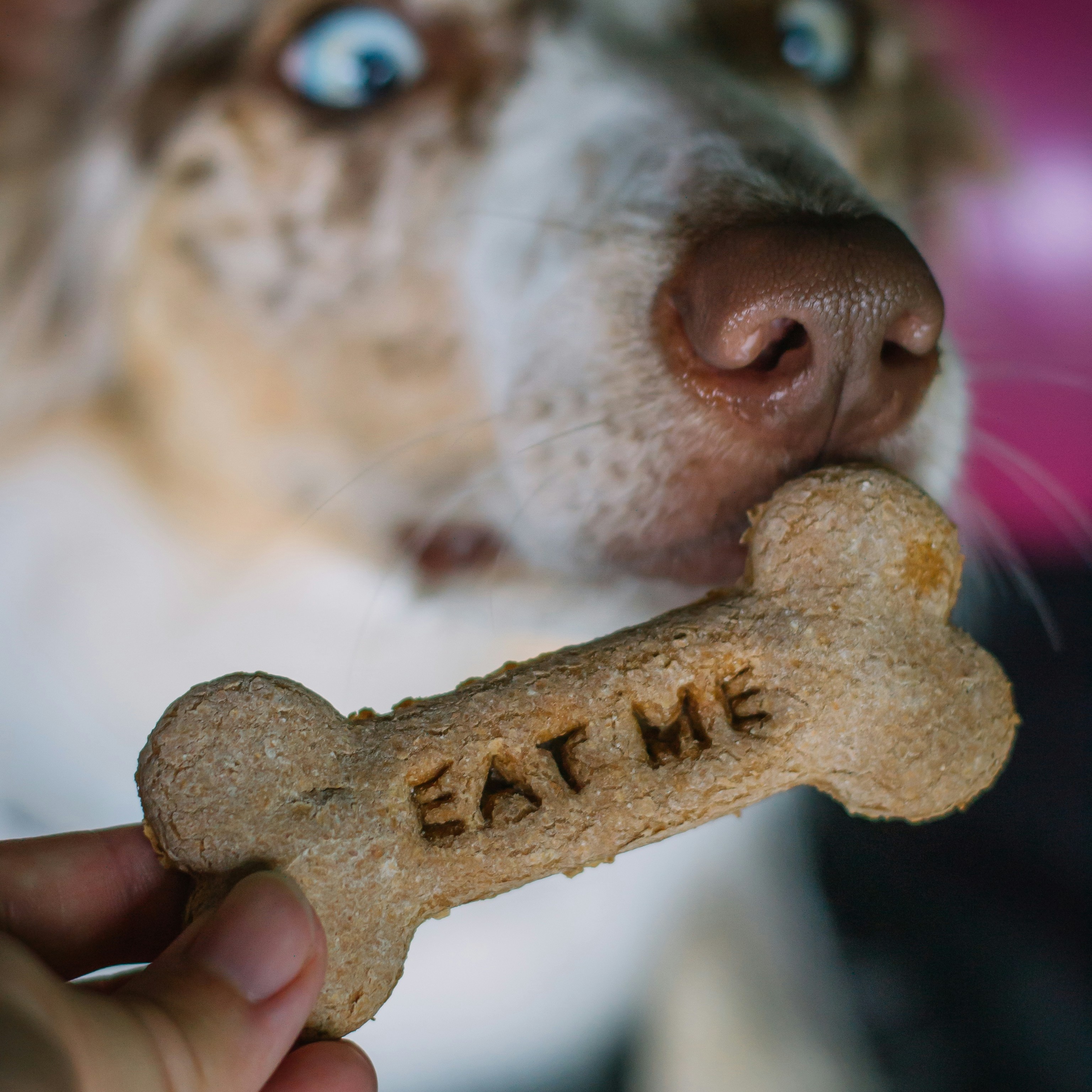
How to Choose the Right Treat for Your Pet
Selecting the best treat depends on your pet’s age, size, health, and preferences. Here are some quick tips:
Check ingredients: Choose treats with real meat or fish as the first ingredient.
Avoid artificial additives: Stay away from artificial colors, sweeteners, or fillers.
Consider purpose: Training, dental health, or reward? Choose accordingly.
Mind portion sizes: Treats should not replace regular meals.
Monitor reactions: Introduce new treats gradually to avoid digestive upset.
Final Thoughts
The world of pet treats has evolved beyond simple snacks. Today’s market offers a vast array of options — from high-protein jerky to organic biscuits, functional chews, and freeze-dried delights — each serving a different purpose.
Whether you’re training a new puppy, pampering your cat, or supporting your senior dog’s joints, the right treat can make a world of difference. By understanding the different types available and choosing high-quality, natural options, you’ll ensure your furry friend enjoys both taste and health in every bite.
Treats are more than just rewards — they’re a way to express love, build trust, and keep your pet’s tail wagging or purring with joy.

Copyright © 2026 Tailneed Ltd. All Rights Reserved. POWERED BY WEIMOBTRADE


